Picking out the right Pbo Steel Rope can actually feel pretty overwhelming, right? There are so many things to think about. The key is really understanding what you actually need. Pbo Steel Ropes are famous for being tough and having a really high tensile strength — it’s no wonder they're used everywhere, from big construction sites to even aerospace stuff.
When you're comparing options, don't forget to check out specific features. For example, the strength-to-weight ratio—that can make a big difference in how well the rope performs when things get intense. Sometimes, a standard rope just won’t cut it, especially if you have unique needs. In those cases, maybe you’ll want something a bit more specialized, like this particular Spot 6mm 316L Metal Fiber Conductive Rope. It’s perfect for static elimination and other tricky tasks.
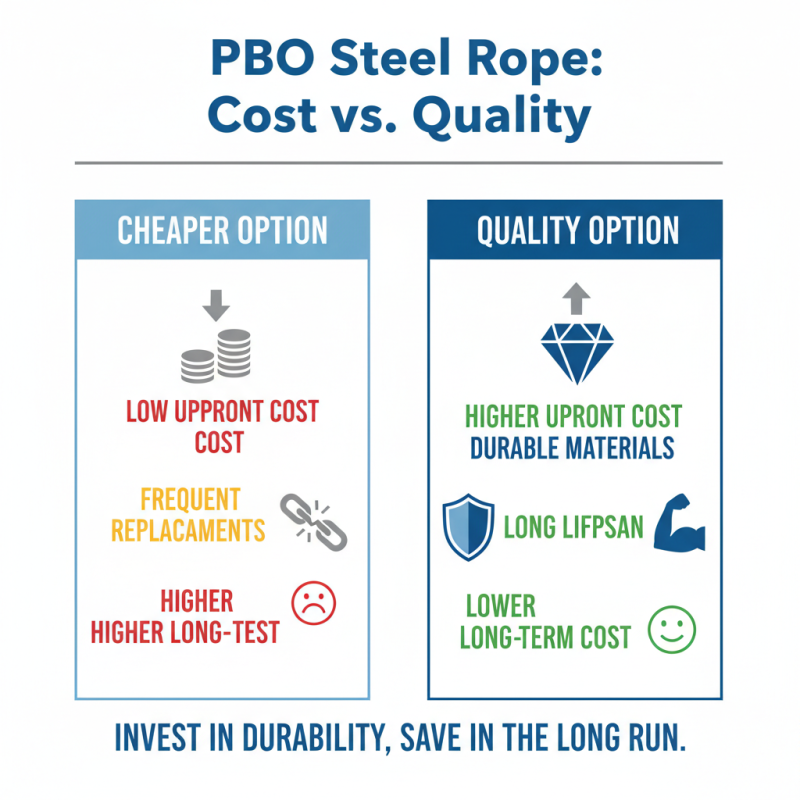
Thinking back on what you’ve picked in the past can also be super helpful. Did you usually go for the cheaper option, and did that come back to bite you? Sometimes, sacrificing quality for a lower price isn’t the best call. Learning from your previous choices can really guide you to make smarter decisions this time around. At the end of the day, your main focus should be safety and reliability—making sure your project goes smoothly. So take your time, be deliberate, and remember, not all ropes are made equal—some are definitely better suited for certain jobs than others.
Understanding PBO Steel Rope: Material Properties and Applications
Understanding PBO steel ropebegins with its unique material properties. PBO, or polybenzoxazole, is known for its exceptional strength and high thermal stability. It can withstand extreme temperatures without losing integrity. This makes it ideal for applications inaerospace and automotive industries. Additionally, PBO is lightweight, which is beneficial in reducing overall load in various setups.
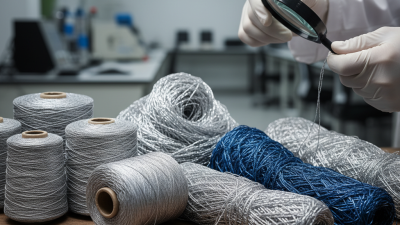
However, the choice of the right PBO steel rope requires consideration of its specific applications. For instance, in construction, durability is key. A manufacturer that produces silver plated fiber conductive metal ropestainless steel Anti-Static rope may offer advantages for situations needing electrical conductivity. These ropes can prevent static buildup, which can be crucial in sensitive environments.
Some users might find the selection process daunting. It's important to reflect on your specific needs. PBO steel rope might excel in one area but not in another. Understanding the balancing act between strength, weight, and thermal resistance can lead to better decisions. Consider your project's requirements carefully before making a choice.
Key Factors Influencing the Choice of PBO Steel Rope
When choosing PBO steel rope, several key factors come into play. First, consider the application's specific requirements. Load capacity and tensile strength are crucial. Different situations need different specs. For high-performance tasks, selecting a rope made from PBO steel ensures durability. Think about the environment, too. Extreme temperatures or exposure to chemicals can affect the rope's lifespan.
Tip: Assess the working conditions before making a choice. If the environment is harsh, a specialized PBO steel rope may be necessary for longevity. Look at the diameter of the rope as well. A thicker rope can handle more weight, but it may also be heavier and more cumbersome.
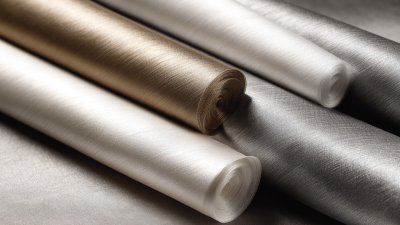
Additionally, the flexibility of the rope matters. Rigid ropes may cause complications during use. A flexible PBO steel rope might be more suitable for dynamic applications. The texture is also key, affecting how the rope behaves under tension. Ropes with coatings, like "Spot Supply of Silver Fiber 6mm3mm Electrostatic Rope Coating Printing Textile Film Industrial Anti-Static Rope", can provide extra benefits.
Tip: Always test the rope in your specific conditions before full deployment. It’s wise to evaluate its performance under real-life scenarios. Consider potential wear and tear as well. A thoughtful approach ensures the best fit for your needs.
Comparative Analysis of PBO and Traditional Steel Ropes
When comparing PBO steel ropes to traditional steel ropes, several factors emerge. PBO, polybenzoxazole, boasts better tensile strength. Industry reports indicate that pbo ropes can withstand up to 30% more tension than standard steel counterparts. This characteristic can lead to longer service life and fewer replacements. However, PBO ropes are often more expensive to produce.
Traditional steel ropes excel in durability under harsh conditions. They fare better in extreme temperatures and resist wear from environmental factors. A notable drawback is their weight; they are typically bulkier and more cumbersome to handle. For example, operations relying on cranes or heavy machinery may face challenges with weight limits. In contrast, PBO ropes offer impressive lightweight properties. This difference allows for easier handling, yet raises questions about their performance in extreme scenarios.
While PBO ropes seem superior in weight and flexibility, they are not infallible. Their susceptibility to damage from UV rays could lead to decreased performance over time. This calls for careful consideration when selecting ropes for specific applications. Reflecting on the balance between performance and cost becomes essential in making a well-informed decision.
Load Capacity and Strength Ratings of PBO Steel Rope
When selecting the right PBO steel rope, understanding load capacity is crucial. Each project requires specific strength ratings. The weight limit determines if the rope will perform safely. PBO steel ropes boast high tensile strength, often exceeding that of traditional materials. However, not all PBO ropes are the same. Variations exist in ratings, affecting their suitability for different tasks.
Consider the environment where the rope will be used. Extreme temperatures or exposure to chemicals can impact performance. The actual load should always be less than the rated strength. Choosing a rope that exceeds your needs offers a margin of safety. This can prevent accidents and failures, which are detrimental in critical situations. For those looking for alternatives, Wholesale Kevlar Rope & Aramid Rope for Protection offers excellent strength and durability.
Assessing the rope's features is key. Look for abrasion resistance and flexibility, especially in dynamic applications. Some ropes may have specific applications in mind. Reflect on your requirements thoroughly. A rope that excels in one area may fall short in another. Weighing these aspects can lead to better decisions and more successful outcomes.
How to Choose the Right Pbo Steel Rope for Your Needs? - Load Capacity and Strength Ratings of PBO Steel Rope
| Diameter (mm) | Breaking Strength (kN) | Load Capacity (kg) | Weight (kg/km) | Application |
| 8 | 22.5 | 2292 | 100 | Light-duty lifting |
| 10 | 30.0 | 3068 | 150 | Medium-duty applications |
| 12 | 40.0 | 4082 | 200 | Heavy-duty lifting |
| 14 | 55.0 | 5610 | 250 | Industrial use |
| 16 | 80.0 | 8165 | 300 | Construction sites |
Cost Considerations: Investing in Quality PBO Steel Rope
When selecting a PBO steel rope, cost plays a crucial role. Investing in quality often means spending more upfront. Cheaper options may save money initially but can lead to higher replacement costs. Quality ropes are made from durable materials, ensuring longevity. These ropes can endure harsh conditions, making them a worthwhile investment.
Taking time to research is essential. Compare different types, including High Strength Kevlar Rope and High Cut Resistant Aramid Rope. These options offer superior strength and durability. Consider your specific needs. A rope suited for lifting might differ from one used in recreational activities.
It’s easy to overlook the importance of quality. A cheaper rope may snap under pressure, risking safety and causing damage. Reflect on how often you’ll use it. Regular use demands a stronger, more reliable product. Investing wisely ensures you won't face costs due to frequent replacements or accidents. Always weigh the long-term benefits against the initial expense.
Maintenance Tips for Longevity of PBO Steel Rope
To ensure your PBO steel rope lasts, regular maintenance is key. Cleaning the rope after each use helps prevent dirt and debris build-up. A gentle wash with mild soap and water is effective. Avoid using harsh chemicals as they can degrade the rope’s integrity. After washing, let it air dry thoroughly. Any moisture left trapped can lead to internal issues over time.
Inspecting the rope periodically is vital. Look for signs of wear or fraying. This can signal potential weak points. If you notice any damage, consider retiring that segment. Proper storage is also crucial. Store the rope in a cool, dry place, away from direct sunlight. Sunlight can weaken the strands, reducing their strength. A simple, dark bag works wonders for protection.
Take care to avoid exposing the rope to sharp edges during use. Such interactions can create micro-damage that may go unnoticed initially. Try to minimize heavy loads that exceed recommended limits. These pressures can cause long-term damage. Being mindful of these details can significantly extend the life of your PBO steel rope.
Real-World Applications and Success Stories of PBO Steel Rope
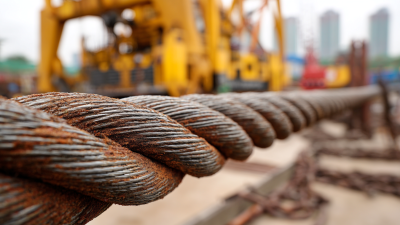
PBO steel rope has proven its worth in various industries, showcasing remarkable strength and durability. In construction, PBO steel ropes have been instrumental in lifting heavy materials. Reports indicate they can support up to 20% more weight than traditional steel ropes. This advantage leads to greater efficiency on job sites.
In the marine sector, PBO steel ropes replace heavier cables, reducing drag and enhancing maneuverability. One case study highlighted a shipping company that improved vessel performance by 15% after switching to PBO ropes. They noted reduced wear and tear, leading to lower maintenance costs.
**Tip**: When selecting PBO steel ropes, consider your specific application. Evaluate factors like weight capacity and environmental conditions.
Another real-world application is in the aerospace industry. PBO ropes are essential in aircraft rigging systems. Their heat resistance and low stretch ratio are critical for safety and performance. However, some users report challenges with handling and installation.
**Tip**: Always consult with a professional before making a purchase. They can help address potential concerns with using PBO steel ropes.
How to Choose the Right Pbo Steel Rope for Your Needs?
FAQS
: They can enhance your daily routine. Some users report improved efficiency and satisfaction.
Consider your personal needs and preferences. Research is key. Test small quantities first.
Results may vary. Some users experience changes quickly, while others need more time.
Yes, some users report mild discomfort. Always listen to your body and consult a professional if needed.
Keep them in a cool, dry place. Excessive heat and moisture can affect quality.
Exercise caution. Some combinations may not work well together. Experiment carefully and be mindful of your health.
Reflect on your usage. Sometimes, adjustments are needed. Consult reviews or seek advice for better usage.
Frequency can vary among users. Start with recommended guidelines and adjust based on your response.
Some products may have age guidelines. Always check before use, especially for younger individuals.
Read ingredient lists carefully. If unsure, conduct a patch test or consult a healthcare provider.
Conclusion
Choosing the right PBO steel rope involves understanding its unique material properties, applications, and key factors influencing selection. PBO steel rope offers advantages over traditional steel ropes, such as superior strength-to-weight ratio and resistance to extreme temperatures. When evaluating options, consider load capacity and strength ratings to ensure the rope meets your specific needs.
Additionally, investment in quality PBO steel rope can lead to long-term cost savings, and proper maintenance is essential for maximizing its longevity. Real-world applications demonstrate the effectiveness of PBO steel rope across various industries, showcasing success stories that highlight its performance advantages. Ultimately, a well-informed choice in PBO steel rope will deliver optimal results for your requirements.